Joint Structure and Function
Joints are complex structures that enable movement and flexibility in the human body. Understanding their composition and function provides important context for discussing how various nutrients and botanical aids may support joint health.
Joint Anatomy
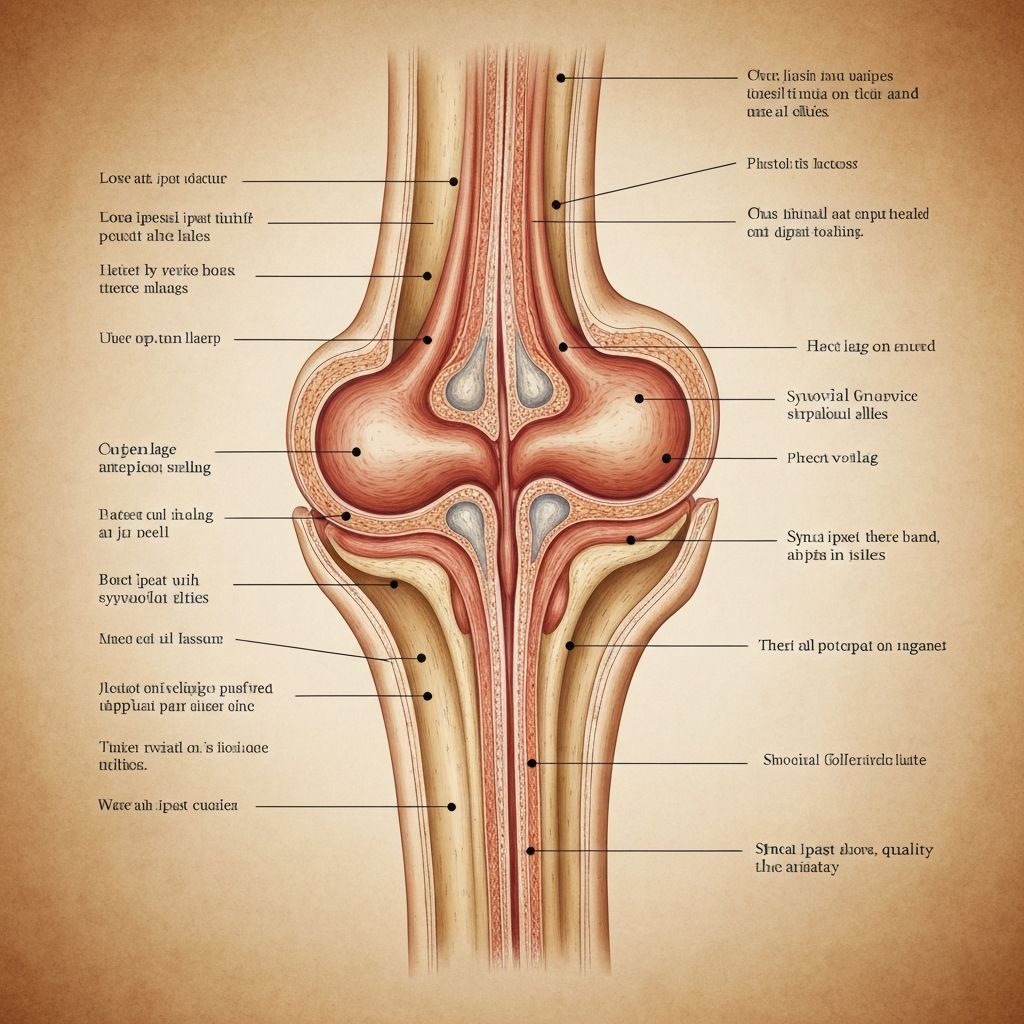
A typical joint consists of several key components:
- Bone: The rigid structures that form the framework of the joint
- Cartilage: Smooth, elastic tissue covering the ends of bones, enabling frictionless movement
- Synovial Membrane: A tissue that lines the joint capsule
- Synovial Fluid: A lubricating fluid that reduces friction and nourishes cartilage
- Ligaments: Connective tissues that stabilize the joint
- Tendons: Tissues connecting muscle to bone
Understanding Cartilage
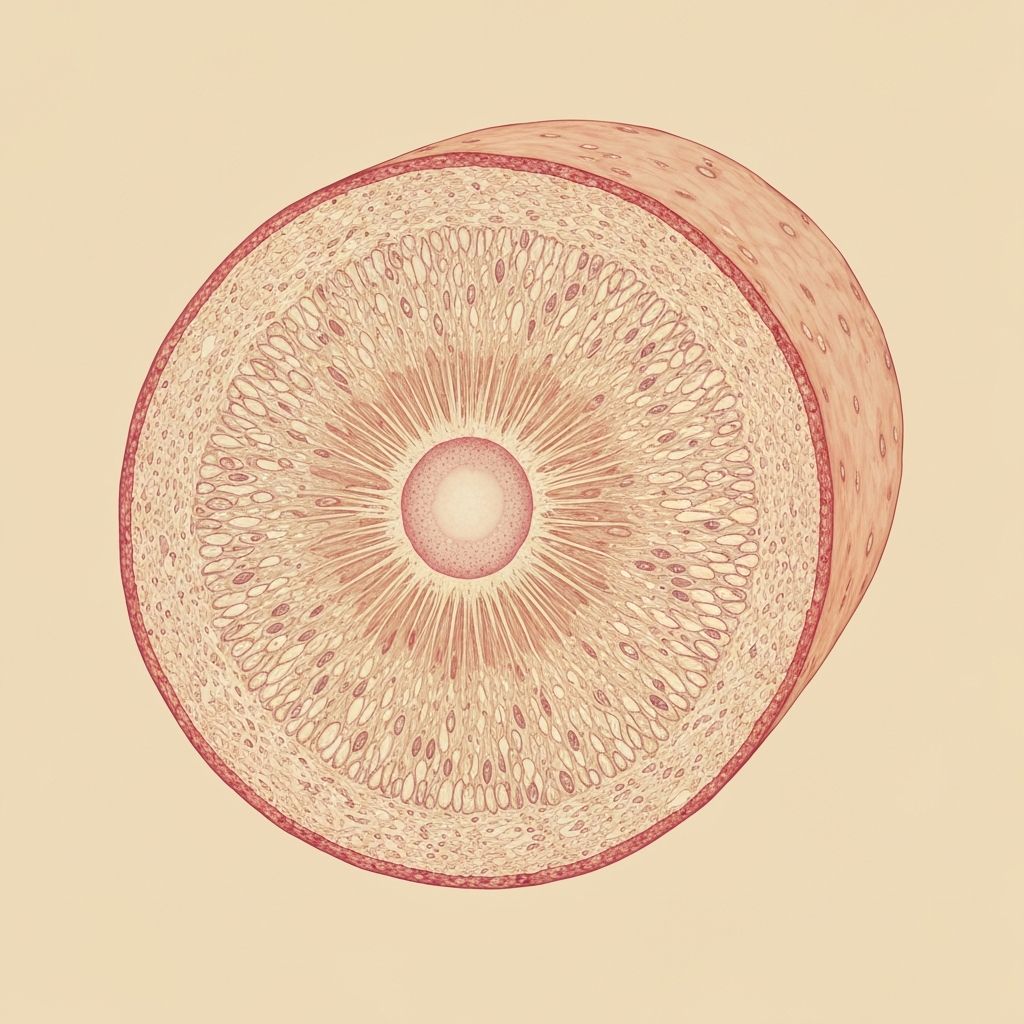
Cartilage is a unique connective tissue characterized by its smooth surface and elastic properties. The primary type found in joints is hyaline cartilage, which covers the ends of bones and enables smooth movement.
Cartilage composition includes:
- Water: Approximately 70-80% of cartilage composition
- Collagen: Structural protein providing tensile strength
- Proteoglycans: Complex molecules containing proteins and glycosaminoglycans
- Chondrocytes: Specialized cells that maintain cartilage matrix
Factors Supporting Joint Health
Joint health is maintained through several interconnected factors:
Movement and Exercise: Regular motion stimulates synovial fluid production and maintains cartilage nutrition. Sedentary lifestyles can contribute to joint stiffness, while appropriate physical activity supports flexibility and strength.
Nutrition: Various nutrients support the structural integrity and function of joint components. These include proteins for structural tissue maintenance, minerals for bone strength, and compounds that support normal inflammatory responses.
Weight Management: Maintaining appropriate body weight reduces mechanical stress on weight-bearing joints, particularly in the knees, hips, and spine.
Hydration: Adequate water intake supports synovial fluid production and maintains overall tissue health.
Age-Related Changes: Joint changes naturally occur with aging. Understanding these processes helps contextualize various wellness approaches intended to maintain mobility and comfort throughout life stages.
Synovial Fluid: The Joint's Lubricant
Synovial fluid plays multiple critical roles in joint function. This viscous fluid acts as a lubricant, reducing friction between cartilage surfaces. It also provides nutrients to cartilage cells and contains compounds that support joint health.
The composition of synovial fluid includes water, proteins, glycosaminoglycans, and various other compounds. Production and quality of synovial fluid can be influenced by movement patterns, overall hydration status, and nutritional factors.
Joint Components Summary
Joints are sophisticated structures combining bone, cartilage, synovial fluid, ligaments, and tendons. Each component plays a specific role in enabling smooth, pain-free movement.