Essential Nutrients for Joint Health
Optimal joint function depends on numerous nutritional factors. Various vitamins and minerals play essential roles in building and maintaining the structures that enable movement, flexibility, and comfort.
Vitamin C (Ascorbic Acid)
Vitamin C is a critical nutrient for collagen synthesis—a primary structural component of cartilage, tendons, and ligaments. Without adequate vitamin C, the body cannot properly form or maintain these connective tissues.
This water-soluble vitamin also supports antioxidant function and immune system health. Natural sources include citrus fruits, berries, bell peppers, and leafy greens. The body cannot store vitamin C, requiring regular intake through diet or supplementation.
Calcium and Vitamin D
Calcium is the primary mineral in bone structure, providing strength and density. Vitamin D plays a crucial regulatory role in calcium absorption and bone metabolism.
These nutrients work synergistically: vitamin D enables the intestinal absorption of dietary calcium. Without adequate vitamin D, even high calcium intake may be inefficiently utilized. Sun exposure, fatty fish, and fortified dairy products are common sources of vitamin D, while calcium is found in dairy, leafy greens, and other foods.
Magnesium
Magnesium is involved in over 300 enzymatic processes in the body, including those related to bone formation and muscle function. It supports protein synthesis, which is essential for building and maintaining connective tissues.
This mineral also plays a role in neuromuscular transmission and muscle relaxation. Good dietary sources include nuts, seeds, leafy greens, and whole grains. Many people consume insufficient magnesium, particularly in Western diets.
Zinc
Zinc is essential for protein synthesis, collagen formation, and wound healing—all critical for maintaining joint structure and integrity. This mineral also supports immune function and plays roles in numerous enzymatic reactions.
Zinc is found in meat, shellfish, legumes, seeds, and nuts. The body does not store zinc, requiring regular dietary intake. Absorption can be affected by various factors, including the presence of phytic acid in some plant-based foods.
Copper
Copper is required for the synthesis of collagen and elastin—structural proteins essential for joint function. This trace mineral works with vitamin C in collagen cross-linking, which gives connective tissue its strength and elasticity.
Copper is found in shellfish, nuts, seeds, and whole grains. While copper deficiency is uncommon, inadequate intake can impact connective tissue formation.
Glucosamine and Chondroitin
Glucosamine is an amino sugar that forms part of glycosaminoglycans—complex molecules in cartilage matrix. Chondroitin is a component of proteoglycans, which bind water in cartilage, contributing to its cushioning properties.
While these compounds are synthesized by the body, some individuals take supplemental forms derived from shellfish or other sources. The efficacy of supplementation has been studied extensively, with varying results in different populations.
Collagen and Collagen Peptides
Collagen is a structural protein providing strength and elasticity to cartilage, tendons, and ligaments. Collagen peptides (hydrolyzed collagen) are broken-down forms that some research suggests may be more readily absorbed than whole collagen.
These are derived from animal sources and available as supplements. The body uses amino acids from digested collagen to synthesize its own collagen structures according to its specific needs.
Omega-3 Fatty Acids
Omega-3 fatty acids support general inflammation management and cardiovascular health. These essential fats are components of cell membranes and play roles in signaling molecules throughout the body.
Fish, flaxseeds, walnuts, and other plant and animal sources provide omega-3 fatty acids. The body cannot synthesize these essential fats and requires dietary intake.
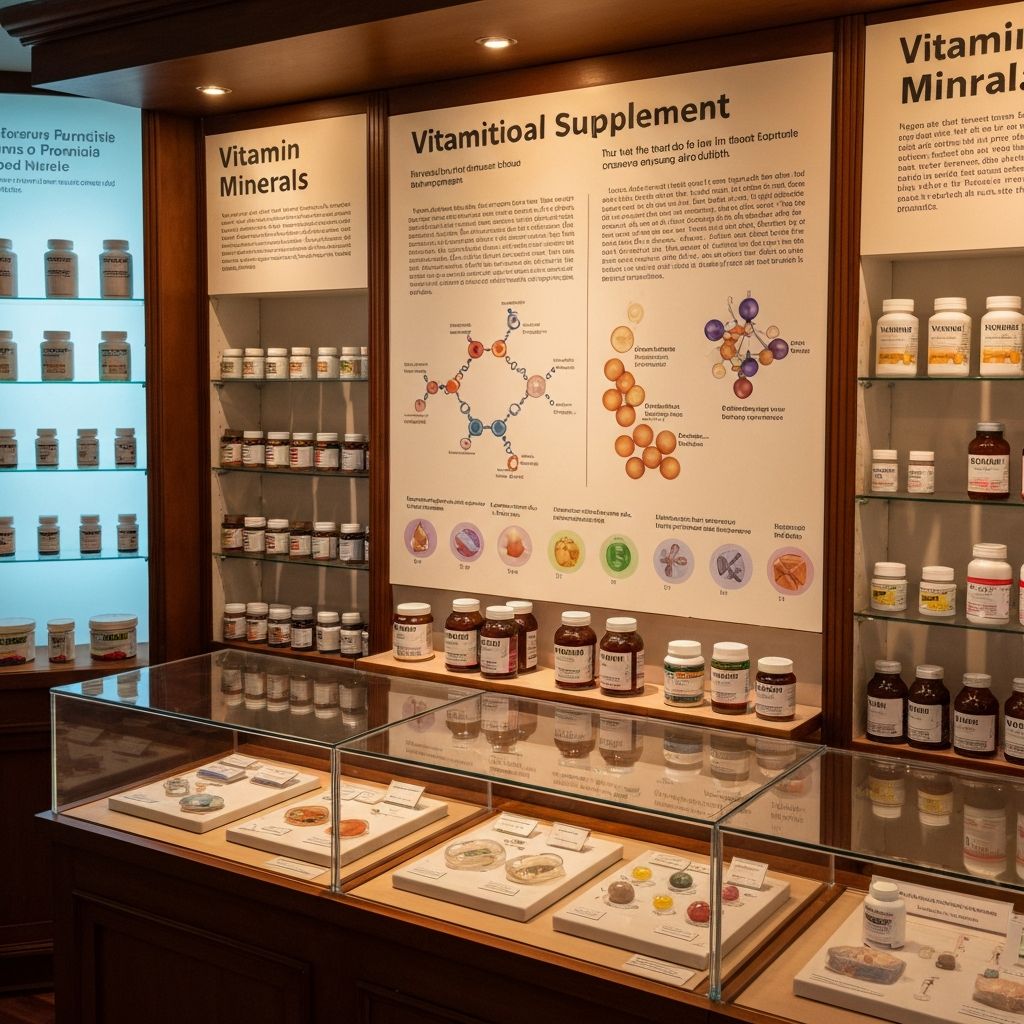
Nutritional Summary
- Vitamin C: Collagen synthesis
- Calcium: Bone structure
- Vitamin D: Calcium absorption
- Magnesium: Bone formation
- Zinc: Protein synthesis
- Copper: Collagen formation