Global Perspectives on Joint Health
Across the world and throughout history, different cultures have developed sophisticated approaches to maintaining joint health and flexibility. These traditional practices reflect centuries of observation and experimentation, and many remain relevant today.
Ayurveda (India)
Ayurvedic medicine, one of the world's oldest medical systems, originated in India thousands of years ago. This comprehensive approach emphasizes balance and prevention through lifestyle, diet, herbal remedies, and physical practices.
In Ayurvedic tradition, joint health is supported through:
- Herbal preparations including turmeric, ginger, and Boswellia
- Oils and massage (Abhyanga) for joint lubrication and circulation
- Yoga practices emphasizing mobility and strength
- Dietary approaches tailored to individual constitution
Traditional Chinese Medicine (China)
Traditional Chinese Medicine (TCM) represents thousands of years of medical philosophy and practice. This system views health through concepts of balance, flow of vital energy (Qi), and harmonious functioning of body systems.
Joint health in TCM is approached through:
- Herbal formulations combining multiple botanical ingredients
- Acupuncture and moxibustion for pain and mobility
- Tai Chi and Qigong practices emphasizing flowing movement
- Dietary principles supporting optimal health
Traditional African Practices
African traditional medicine encompasses diverse practices across the continent. Many African botanical preparations have been used for generations to support joint comfort and mobility.
Notable approaches include:
- Use of Devil's Claw and other indigenous plants
- Physical practices and movement traditions
- Integration of botanical preparations into daily life
European Herbal Traditions
European herbalism evolved through medieval and Renaissance periods, incorporating Greek, Roman, and indigenous knowledge. European herbal traditions emphasize botanical preparations and their applications.
Traditional European approaches include:
- Herbal teas, tinctures, and preparations
- Spa and thermal water treatments
- Integration of plants into culinary traditions
Yoga and Tai Chi
Both yoga (originating in India) and Tai Chi (from China) emphasize flowing movement, breathing awareness, and mindfulness. These practices maintain and develop flexibility, balance, and body awareness.
Regular practice supports:
- Joint mobility through full range of motion
- Muscle strength and stability
- Balance and proprioception (body awareness)
- Mental focus and stress reduction
Spa and Water Therapies
Water therapies have been valued across cultures for their effects on circulation and joint comfort. Hot springs and mineral-rich waters have been utilized for wellness for thousands of years.
These therapies work through:
- Heat increasing circulation and muscle relaxation
- Buoyancy reducing mechanical stress on joints
- Mineral content potentially providing specific benefits
Massage and Bodywork Traditions
Various massage traditions exist across cultures—Swedish massage in Western traditions, Shiatsu and Anma in Japanese and Chinese traditions, and Ayurvedic oil massage in Indian practice. These approaches emphasize improving circulation, releasing muscle tension, and promoting comfort.
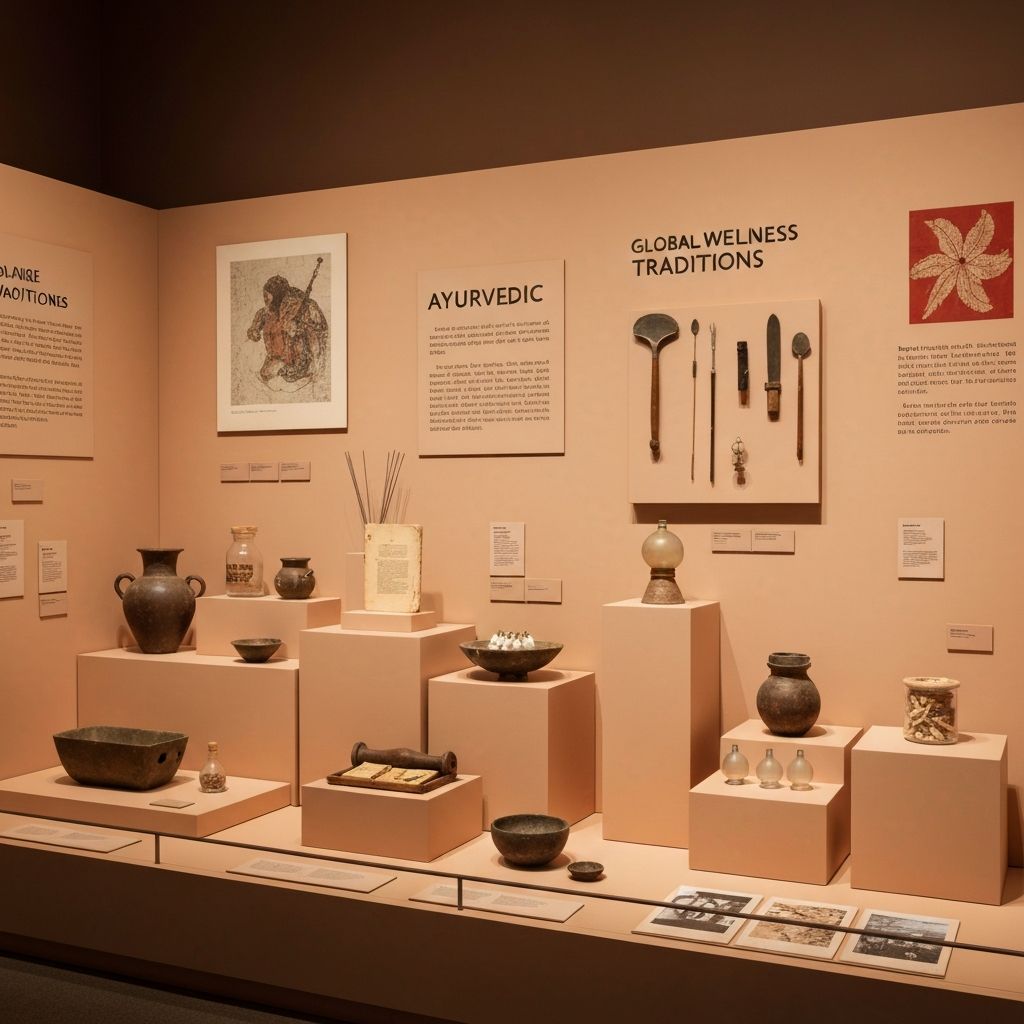
Key Traditions
- Ayurveda (India)
- Traditional Chinese Medicine
- African Herbalism
- European Herbal Traditions
- Yoga & Tai Chi
- Massage Therapies